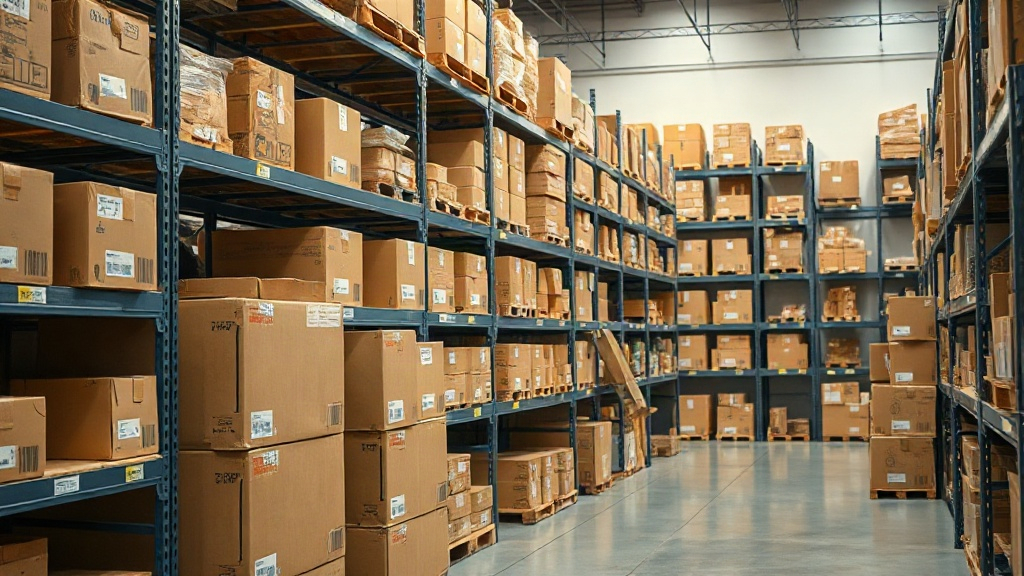
If you're looking for the best Amazon prep and fulfillment centers in 2026, MyFBAPrep and ShipBob lead for most sellers — MyFBAPrep for pure FBA prep at scale (a nationwide warehouse network and per-unit pricing that drops with volume), and ShipBob for sellers who need FBA prep and multichannel fulfillment from the same inventory. We evaluated seven providers on per-unit prep cost, turnaround time, Amazon compliance record, minimums, and software integrations. This guide is built for sellers deciding whether to keep prepping in the garage, hire a 3PL, or split the work.
How We Ranked These Prep Centers
We evaluated each provider across five criteria:
| Criteria | Weight | Why It Matters |
|---|---|---|
| Per-unit prep cost | High | Prep is a direct hit to margin on every unit; a $0.40 difference on 5,000 units/month is $2,000 |
| Turnaround time | High | Slow inbound means stockouts, which cost you Buy Box share and organic rank |
| FBA compliance record | High | A rejected shipment can mean inbound defects, placement fees, and suspended ASINs |
| Minimums and contract terms | Medium | Small sellers get priced out by monthly minimums and storage floors |
| Software and channel integrations | Medium | Native Seller Central, Shopify, and inventory-tool integrations reduce manual error |
Data sources: provider published rate cards and service pages (reviewed November 2026), Amazon Seller Central FBA prep and inbound placement fee schedules, Amazon's FBA packaging and prep requirements documentation, and seller reports on r/FulfillmentByAmazon and Seller Central forums.
1. MyFBAPrep — Best Overall for Dedicated FBA Prep at Volume
Best for: Private-label and wholesale sellers shipping 1,000+ units per month
Model: Nationwide network of partner warehouses under one account
Pricing: Per-unit, volume-tiered; quote-based
MyFBAPrep operates a network of U.S. and international partner warehouses under a single contract and software layer. Sellers route inventory to the warehouse closest to their supplier or Amazon's inbound nodes, which cuts freight cost and inbound time. Pricing is per unit and falls as volume rises, which is why it ranks first for growing brands.
Pros
- Multiple warehouse locations let you receive near a port or supplier rather than cross-country
- Handles FNSKU labeling, polybagging, bundling, and bubble-wrap prep to Amazon spec
- Volume pricing rewards sellers who consolidate prep in one place
Cons
- Quote-based pricing means small sellers may not see the lowest advertised tiers
- Network model means service consistency can vary by partner warehouse
Who This Is Best For
Sellers who have outgrown home prep and ship consistent monthly volume. If you move fewer than a few hundred units a month, a flat-rate regional prep center will usually be cheaper and simpler.
2. ShipBob — Best for FBA Prep Plus Multichannel Fulfillment
Best for: Brands selling on Amazon and their own Shopify or Walmart store
Model: Owned fulfillment network with FBA prep as an add-on service
Pricing: Per-pick, per-order fulfillment plus prep fees
ShipBob is a direct-to-consumer 3PL first (ecommerce fulfillment services) and an FBA prep center second. The advantage is one pool of inventory: you can fulfill Shopify orders directly while sending replenishment to FBA from the same warehouse. For brands where Amazon is 40–70% of revenue rather than 100% (amazon product research tools), that flexibility is worth the slightly higher per-unit prep cost.
Pros
- Single inventory pool across Amazon, Shopify, Walmart, and TikTok Shop
- Strong software with real-time inventory and order tracking
- Owned warehouses mean more consistent service than partner networks
Cons
- Prep fees run higher than FBA-only specialists
- Storage fees apply on top of prep; FBA-only sellers pay for capability they don't use
Who This Is Best For
Multichannel brands that want one 3PL. If you sell only on Amazon, you're paying for DTC infrastructure you won't touch.
3. Flexport (formerly Deliverr) — Best for Fast Replenishment Into FBA
Best for: Sellers who want freight, prep, and FBA inbound managed end to end
Model: Integrated freight forwarding + fulfillment
Pricing: Bundled quotes
Flexport absorbed Deliverr and now sells an end-to-end path from overseas factory to Amazon's inbound dock. The appeal is accountability: one vendor owns the container, the prep, and the inbound appointment. For importers, that removes the finger-pointing that happens when a forwarder, a prep center, and a trucker all blame each other for a late shipment.
Pros
- Freight and prep under one contract simplifies landed-cost math
- Fast replenishment programs designed around Amazon's inventory performance metrics
- Strong fit for sellers importing full containers
Cons
- Overkill for domestic-sourced products or small parcel volumes
- Pricing is bundled, which makes line-item comparison harder
Who This Is Best For
Importers moving pallets or containers who want one throat to choke. Domestic sellers buying from U.S. wholesalers should look at a simpler regional option.
4. ShipMonk — Best for Subscription and Kitting-Heavy Catalogs
Best for: Sellers with bundles, kits, or subscription boxes
Model: Owned warehouses with strong kitting operations
Pricing: Per-pick plus kitting and prep fees
ShipMonk built its reputation on kitting and subscription fulfillment, (subscription box businesses) and that shows up in FBA prep for bundled ASINs. If your catalog depends on multi-unit bundles or custom packaging, ShipMonk's operations are built for it.
Pros
- Deep kitting and assembly capability
- Good software for inventory visibility across channels
- Multiple U.S. warehouses
Cons
- Minimums can be meaningful for small catalogs
- Not the lowest cost for simple label-and-polybag prep
Who This Is Best For
Brands whose prep is really light assembly. Simple single-SKU sellers will pay for complexity they don't need.
5. Red Stag Fulfillment — Best for Heavy, Bulky, or High-Value Items
Best for: Oversize and high-value products
Model: Owned warehouses with accuracy guarantees
Pricing: Quote-based
Red Stag focuses on heavy and bulky goods and publicly backs its accuracy with guarantees. For sellers of furniture, fitness equipment, or fragile high-ticket items, where a single damaged inbound unit erases the margin on ten good ones, that focus matters more than saving a few cents per unit.
Pros
- Built for oversize and fragile inventory
- Accuracy and damage guarantees
- Strong for FBM and FBA hybrid strategies
Cons
- Fewer warehouse locations than larger networks
- Not cost-competitive for small, light products
Who This Is Best For
Oversize sellers. Standard-size sellers should look elsewhere.
6. eFulfillment Service — Best for Small Sellers With No Minimums
Best for: New sellers and low-volume catalogs
Model: Single Michigan warehouse, no minimums
Pricing: Transparent per-unit fees
eFulfillment Service is one of the few established 3PLs that publishes pricing and doesn't require monthly minimums or long-term contracts. That makes it a natural first step out of home prep for sellers moving a few hundred units a month.
Pros
- No minimum order volume or setup fees
- Published, predictable pricing
- Long operating history with ecommerce sellers
Cons
- Single Midwest location adds inbound transit time for coastal sellers
- Not built for high-volume or complex kitting
Who This Is Best For
Sellers doing their first few thousand dollars a month who need predictable cost without commitment.
7. Regional Independent Prep Centers — Best Per-Unit Price for Simple Prep
Best for: Sellers who prioritize cost over software
Model: Small owner-operated warehouses, often in sales-tax-free states
Pricing: Flat per-unit fees (amazon repricer software), commonly in the $0.50–$1.50 range depending on prep type
Independent prep centers in states like Oregon, Delaware, Montana, and New Hampshire remain the cheapest option for straightforward label-and-bag prep, and shipping inventory to a tax-free state can also simplify wholesale sourcing. The trade-off is software, reporting, and scale.
Pros
- Lowest per-unit pricing for simple prep
- Personal service and flexible handling for odd requests
- Tax-free-state locations help wholesale and arbitrage sellers
Cons
- Limited software; inventory tracking is often spreadsheets and email
- Capacity constraints in Q4; owner-operated shops can get overwhelmed
- Higher operational risk if the owner closes shop
Who This Is Best For
Wholesale and online arbitrage sellers with simple prep needs. Private-label brands scaling past a few thousand units a month usually outgrow them.
Quick Comparison
| Provider | Model | Minimums | Best For | Multichannel? |
|---|---|---|---|---|
| MyFBAPrep | Partner network | Volume-based | Dedicated FBA prep at scale | Limited |
| ShipBob | Owned network | Yes | FBA + DTC from one inventory | Yes |
| Flexport | Freight + fulfillment | Varies | Importers wanting end-to-end | Yes |
| ShipMonk | Owned network | Yes | Kitting and bundles | Yes |
| Red Stag | Owned warehouses | Quote-based | Oversize, high-value | Yes |
| eFulfillment Service | Single warehouse | None | Small sellers | Yes |
| Regional independents | Owner-operated | Usually none | Lowest-cost simple prep | No |
What Prep Actually Costs: The Math
Amazon charges its own prep fees if you let FBA do the work, and those fees plus the risk of inbound defects are the baseline you're comparing against. A seller moving 2,000 units a month at a $0.60 blended prep cost pays $1,200; at $1.10 it's $2,200. That $1,000 monthly gap funds a lot of Amazon PPC. Model prep as a per-unit line in your landed cost alongside the inventory and repricing tools you already pay for.
How We Researched This
This guide draws on provider rate cards and service documentation reviewed in November 2026, Amazon's current FBA prep requirements and inbound placement fee schedule, and seller-reported experiences on Seller Central forums and Reddit. We excluded providers without a verifiable U.S. warehouse footprint or with recurring unresolved complaints about lost inventory. Last updated: November 19, 2026. We review this guide quarterly and after any major FBA fee change.
Frequently Asked Questions
What is an Amazon prep center?
An Amazon prep center is a third-party warehouse that receives your inventory, applies FNSKU labels, polybags or bubble-wraps units to Amazon's requirements, and ships the inventory to Amazon fulfillment centers. It replaces either your own labor or Amazon's paid prep service.
How much do FBA prep services cost per unit?
Simple labeling and polybagging commonly runs $0.50 to $1.50 per unit at independent centers, with larger 3PLs charging more for software and multichannel capability. Volume discounts, bundling, and fragile-item handling all move the number.
Is a prep center cheaper than Amazon's own prep service?
Often, yes, for standard prep like labeling and bagging, and prep centers can also catch defects before Amazon does. Always compare the prep center's per-unit fee plus inbound shipping against Amazon's current prep fee for your item category.
Do I need a prep center as a new seller?
Not usually. Most sellers prep at home until volume or time makes it painful. Starting your Amazon business lean, then outsourcing prep once you pass a few hundred units a month, is the common path.
What is the difference between a prep center and a 3PL?
A prep center focuses on getting inventory ready for FBA. A 3PL (third-party logistics provider) stores inventory and fulfills orders directly to customers across channels, (how to prepare an ecommerce store) and may offer FBA prep as one service among many.
Why do sellers use prep centers in tax-free states?
Receiving wholesale inventory in a state with no sales tax can avoid paying sales tax at purchase for resale inventory, depending on your resale certificate situation. Confirm your own obligations with a tax professional.
How long does prep usually take?
Most established prep centers turn inventory around in two to five business days after receiving it, with longer times in Q4. Ask about peak-season commitments before October.
Can a prep center handle Amazon's inbound placement fees?
The fee is Amazon's and applies regardless of who preps, but a prep center that can split shipments to multiple inbound locations can reduce or avoid the placement surcharge. Ask specifically how they handle Amazon's inbound placement options.
What tools should I use alongside a prep center?
Good product research, listing optimization, and inventory forecasting software reduce the chance you pay to prep inventory that won't sell. See our roundup of the best Amazon FBA tools.
Important Disclosures
This content is for informational purposes only and does not constitute business, legal, or tax advice. Pricing, service terms, and Amazon fee schedules change frequently; confirm current rates directly with each provider and in Seller Central before committing inventory. EcomSimple may receive compensation from partners featured on this page. This does not influence our rankings — our methodology is described above.
Amazon Selling Guide Library
Part of our full Amazon Selling library: